How to stop chasing rent payments every month
By UnitLync Team | Rent collection software and landlord workflow guide
The first of the month is supposed to be the best part of being a landlord. It is the day you get paid for your hard work. But for many of us, it is just the start of two weeks of checking bank accounts and sending "just checking in" texts. It is exhausting.

The Problem
The problem is that manual rent collection is awkward. Nobody likes asking for money. When a tenant is late, it puts you in a tough spot. If you ask too early, you feel like you are being mean. If you wait too long, you might not be able to pay your own mortgage on time. This creates a lot of unnecessary stress in your life.
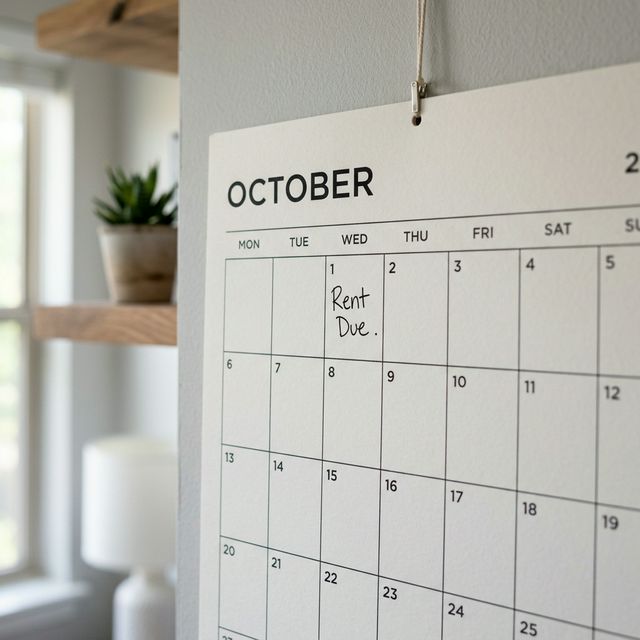
What usually goes wrong
When you track rent in a spreadsheet or on paper, things get missed. You might think someone is late when they actually paid. Or you forget to check who owes what until the middle of the month. By then, it feels even harder to ask for the money. Tenants also get frustrated when they don't have a clear way to see their balance or get a receipt. This confusion leads to late payments and broken trust.
A practical solution
The simplest fix is to stop being the one who asks. Use a system that sends reminders automatically. When the "app" asks for the rent, it is just a routine notification. It is not personal. It also helps to give your tenants one clear place to see their payment history. This takes the guesswork out of the process for everyone.
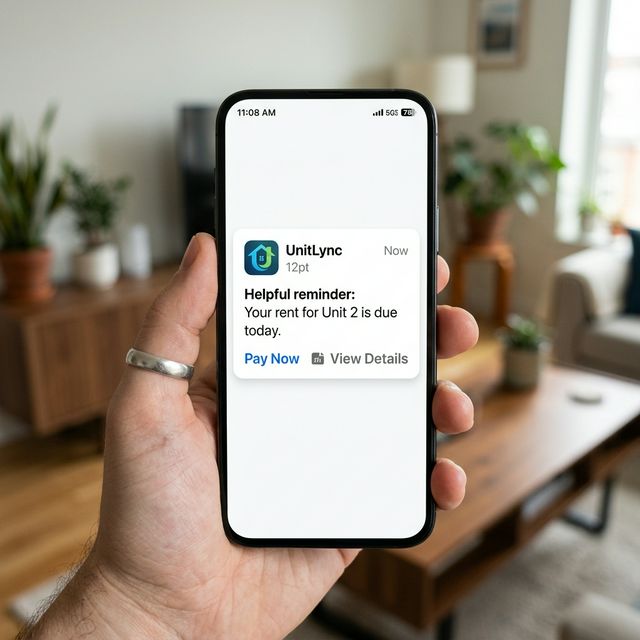
How UnitLync helps
We built automated reminders into UnitLync because we hate chasing rent too. The system handles the nudges for you. Your tenants can log in, check their balance, and see their past payments at any time. You get an alert when they pay, and your dashboard updates itself. You don't have to send a single text to get paid.
Takeaway
Renting out property should not be a job for a bill collector. Letting a system handle the reminders keeps your relationship with your tenants professional and friendly. You get paid on time, and you don't have to deal with the awkward part of the job. It is a win for everyone.
What a better rent workflow actually looks like
A good rent workflow is not just "send a reminder and hope for the best." It gives tenants a predictable rhythm, reduces your manual follow-up, and makes the payment itself feel routine. The goal is simple: every tenant knows when rent is due, where to pay, how to confirm payment, and what happens if something is late.
That means the process should include a few concrete steps. First, set one clear due date and one clear late policy. Second, send reminders automatically before the due date, not after you notice a missed payment. Third, keep a visible payment history so tenants can verify what was paid and when. Fourth, issue receipts or confirmations automatically. Fifth, make follow-up easy when a payment truly is late, so you are not starting the conversation from zero.
If you want to see how this fits into a larger landlord workflow, it helps to connect rent reminders with your communication and onboarding process. A tenant who understands the portal, can find their balance quickly, and has one place for messages will always be easier to manage than a tenant who only hears from you when there is a problem. That is why this article connects naturally with tenant communication best practices and the broader property management software comparison guide.
How to automate rent collection without sounding robotic
Automation works best when it feels predictable rather than aggressive. The tone matters. A reminder should sound like a normal system message, not a passive-aggressive text from a landlord who is frustrated. Keep the language short, clear, and neutral. Include the due date, the amount due, and the next step. Do not bury the tenant in a long explanation that mixes reminders, policy, and personal opinion.
One useful pattern is to create three messages: a friendly heads-up before rent is due, a reminder on the due date, and a late notice after the grace period expires. Each message should do one job only. The pre-due reminder should be friendly. The due-date message should be factual. The late notice should be direct and include the amount, the deadline, and the next action. If tenants know this sequence exists, they stop treating reminders as a surprise.
It also helps to think in terms of consistency. If the reminder always arrives at the same time and in the same format, tenants learn to expect it. That reduces the emotional friction of the conversation. You are not "asking again." You are following the same routine every month. This is exactly the kind of habit that turns rent collection from a recurring stress point into a simple operating procedure.
Documentation saves time, especially when there is a dispute
One of the biggest hidden benefits of a clean rent workflow is documentation. If a tenant claims they paid on time, or if a bank transfer takes longer than expected, you need a reliable record that shows what happened. A ledger, receipt history, and message log are all more useful than trying to reconstruct a timeline from memory. That matters for day-to-day operations, but it also matters at tax time.
The IRS has useful guidance on residential rental property and recordkeeping that reinforces the value of clean, organized financial records. You can review Publication 527 and the IRS recordkeeping guide if you want a more formal reminder of why clean documentation matters. For general tenant-facing expectations and communication basics, the CFPB also has consumer education material at its renting resource page.
A simple 30-day rollout plan
If you are still handling rent manually, do not try to fix everything in one night. Start with a 30-day rollout that changes the process without overwhelming you or your tenants.
- Week 1: define the due date, grace period, and reminder schedule.
- Week 2: move payment history into one place and make sure receipts are easy to find.
- Week 3: write short reminder templates and test the tone before sending them live.
- Week 4: review late payments, identify friction points, and adjust the workflow based on what you learned.
The important part is consistency. When your workflow is clear, tenants do not need repeated explanations and you do not need to remember what you told each person last month. That is what frees up time.
Message templates that remove friction
You do not need fancy copy. You need short, reusable messages that are easy to send and easy to understand. A reminder template should say what is due, when it is due, and where the tenant should go next. A late notice should say what is overdue, how much is outstanding, and what the next deadline is. A receipt should simply confirm the payment and thank the tenant for staying on schedule.
- Friendly reminder: "Rent is due in 3 days. You can pay in the portal here."
- Due date reminder: "Today is the due date. Your current balance is shown in your account."
- Late notice: "The grace period has ended. Please review your balance and let us know if there is an issue."
- Receipt: "Payment received. Your balance has been updated and a receipt is available in your history."
These templates do not need to be perfect. They just need to be predictable. The predictability is what reduces tension and keeps the process professional.
Common mistakes to avoid
Most rent collection problems come from a handful of avoidable mistakes. First, do not change the process every month. That makes tenants guess. Second, do not hide the payment history in a place no one can find. Third, do not mix personal frustration into a payment message. The moment a reminder sounds emotional, it stops feeling like a workflow and starts feeling like a conflict.
Another common mistake is to leave the whole process manual until you are already behind. By the time you are chasing a late payment, you are negotiating from a worse position and wasting time you do not have. A cleaner system prevents the late conversation from becoming a bigger issue than it needs to be.

Related reading
Keep exploring landlord workflows that reduce admin time and improve tenant communication.